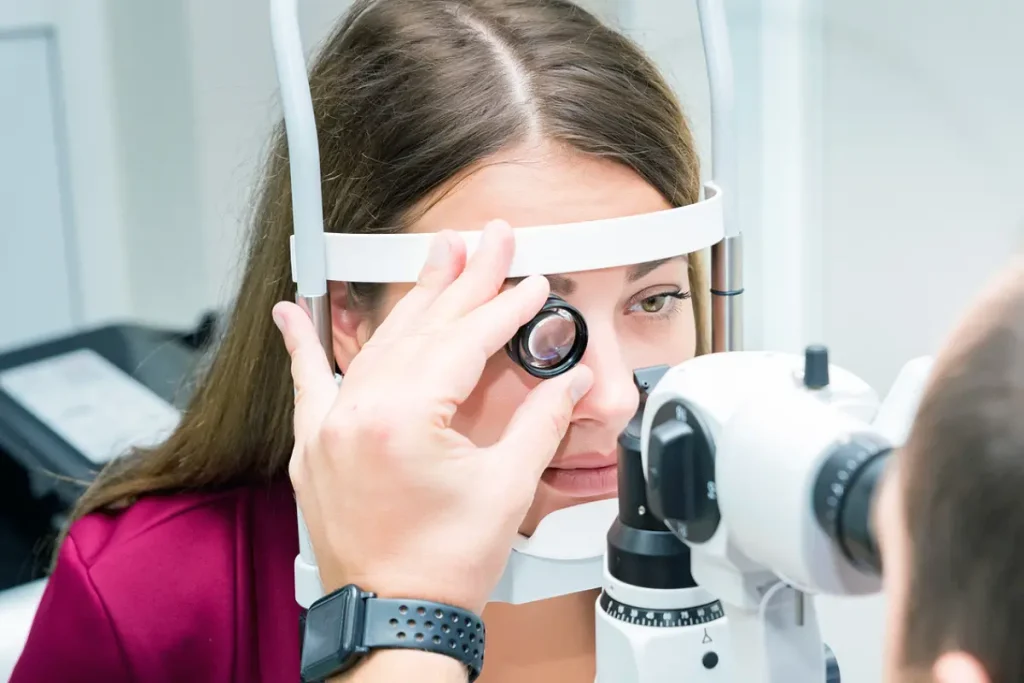
Advanced Eye Diagnostics in Lucknow
Accurate Eye Diagnosis with Modern Diagnostic Technology
Early detection of eye diseases is one of the most important steps in protecting your vision. Many serious eye conditions, including glaucoma, diabetic retinopathy, macular degeneration, and optic nerve disorders, may develop without noticeable symptoms in the early stages. Advanced diagnostic technology allows these conditions to be identified before they begin to affect your eyesight.
At Dr. Pooja Kanodia Eye Specialist & Surgeon, we provide comprehensive Advanced Eye Diagnostics in Lucknow using modern ophthalmic imaging systems and diagnostic equipment. Every test is performed with precision to ensure accurate diagnosis, effective treatment planning, and long-term monitoring of eye health.
With over 20 years of experience, Dr. Pooja Kanodia combines advanced technology with expert clinical evaluation to deliver reliable eye care for patients of all age groups.
Why Advanced Eye Diagnostics are Important
Many eye diseases progress silently without causing pain or early vision loss. Regular diagnostic screening helps identify problems before irreversible damage occurs.
Advanced eye testing helps:
- Detect eye diseases at an early stage
- Monitor disease progression
- Guide treatment decisions
- Improve surgical planning
- Preserve long-term vision
- Evaluate treatment outcomes
Advanced Diagnostic Services We Offer
Optical Coherence Tomography (OCT)
OCT is a non-invasive imaging test that produces high-resolution cross-sectional images of the retina and optic nerve.
It is commonly used to diagnose and monitor:
- Diabetic Retinopathy
- Macular Degeneration
- Macular Edema
- Glaucoma
- Retinal Disorders
- Optic Nerve Diseases
Fundus Photography
Fundus Photography captures detailed digital images of the retina, optic nerve, and retinal blood vessels.
It helps in:
- Diabetic Retina Evaluation
- Hypertensive Retinopathy
- Glaucoma Monitoring
- Retinal Disease Documentation
- Long-term Disease Comparison
Pachymetry
Pachymetry measures the thickness of the cornea, an important factor in glaucoma evaluation and refractive surgery planning.
This test is recommended for:
- Glaucoma Assessment
- LASIK Evaluation
- Corneal Disorders
- Keratoconus Screening
- Corneal Health Monitoring
Retina Imaging
Advanced retinal imaging provides detailed visualization of the retina to detect early retinal abnormalities and monitor disease progression.
Optic Nerve Evaluation
Detailed examination of the optic nerve helps detect glaucoma and other optic nerve disorders before significant vision loss occurs.
Glaucoma Diagnostic Testing
Comprehensive glaucoma evaluation may include:
- Eye Pressure Measurement
- Optic Nerve Analysis
- Pachymetry
- OCT Scan
- Visual Field Testing (when indicated)
Conditions Diagnosed with Advanced Eye Diagnostics
Our diagnostic technology helps detect:
- Glaucoma
- Cataract
- Diabetic Retinopathy
- Macular Degeneration
- Retinal Detachment
- Retinal Tears
- Macular Edema
- Optic Nerve Disorders
- Corneal Diseases
- Keratoconus
- Hypertensive Retinopathy
Who Should Undergo Advanced Eye Testing?
Advanced diagnostic evaluation is recommended for:
- Patients with diabetes
- Individuals over 40 years of age
- People with glaucoma or a family history of glaucoma
- Patients with retinal diseases
- High myopia patients
- Individuals experiencing sudden vision changes
- Patients preparing for cataract or LASIK surgery
- Anyone with unexplained vision loss
Benefits of Advanced Eye Diagnostics
Modern eye diagnostic technology provides several advantages:
- Early detection of eye diseases
- Accurate diagnosis
- Non-invasive testing
- High-resolution retinal imaging
- Better treatment planning
- Disease monitoring over time
- Improved surgical outcomes
- Prevention of avoidable vision loss
Why Choose Dr. Pooja Kanodia?
Experienced Eye Specialist
Over 20 years of experience in comprehensive ophthalmic diagnosis and treatment.
Advanced Diagnostic Equipment
We use modern ophthalmic technology, including:
- Optical Coherence Tomography (OCT)
- Fundus Camera
- Pachymeter
- Slit Lamp Biomicroscope
- Digital Retina Imaging Systems
Accurate Diagnosis
Every patient receives a detailed evaluation using advanced imaging techniques to ensure precise diagnosis and effective treatment planning.
Personalized Eye Care
Diagnostic investigations are selected based on each patient's symptoms, medical history, and eye condition.
Comprehensive Eye Services
From diagnosis to treatment and long-term follow-up, complete eye care is available under one roof.
Why Early Diagnosis Matters
Many serious eye diseases develop gradually and often show no symptoms during the early stages. By the time vision problems become noticeable, permanent damage may already have occurred.
Routine advanced eye diagnostic testing allows early intervention, helping preserve vision and improve long-term treatment outcomes.
Book Your Advanced Eye Diagnostic Evaluation
If you are experiencing blurred vision, have diabetes, are at risk of glaucoma, or require a detailed retinal evaluation, advanced eye diagnostics can help detect problems before they affect your eyesight.
At Dr. Pooja Kanodia Eye Specialist & Surgeon, we provide comprehensive diagnostic eye care using advanced imaging technology, accurate clinical evaluation, and personalized treatment planning to help protect your vision.
Frequently Asked Questions
What is an OCT scan?
An Optical Coherence Tomography (OCT) scan is a non-invasive imaging test that creates detailed cross-sectional images of the retina and optic nerve for diagnosing retinal and glaucoma-related diseases.
Is Fundus Photography painful?
No. Fundus Photography is a safe, painless, and non-invasive imaging procedure that captures high-quality images of the retina.
Why is Pachymetry performed?
Pachymetry measures corneal thickness, which is important for glaucoma assessment, corneal disease evaluation, and LASIK surgery planning.
How long do these diagnostic tests take?
Most advanced eye diagnostic tests are completed within 15–30 minutes, depending on the number of investigations required.
Are these tests safe?
Yes. OCT, Fundus Photography, and Pachymetry are completely safe, painless, and non-invasive diagnostic procedures.
Who should undergo advanced eye diagnostics?
People with diabetes, glaucoma, retinal diseases, high eye pressure, vision changes, or those planning cataract or LASIK surgery are commonly advised to undergo advanced eye diagnostic testing.
Need help choosing a treatment?
Talk to our team and get guidance on the right next step for your eye care.