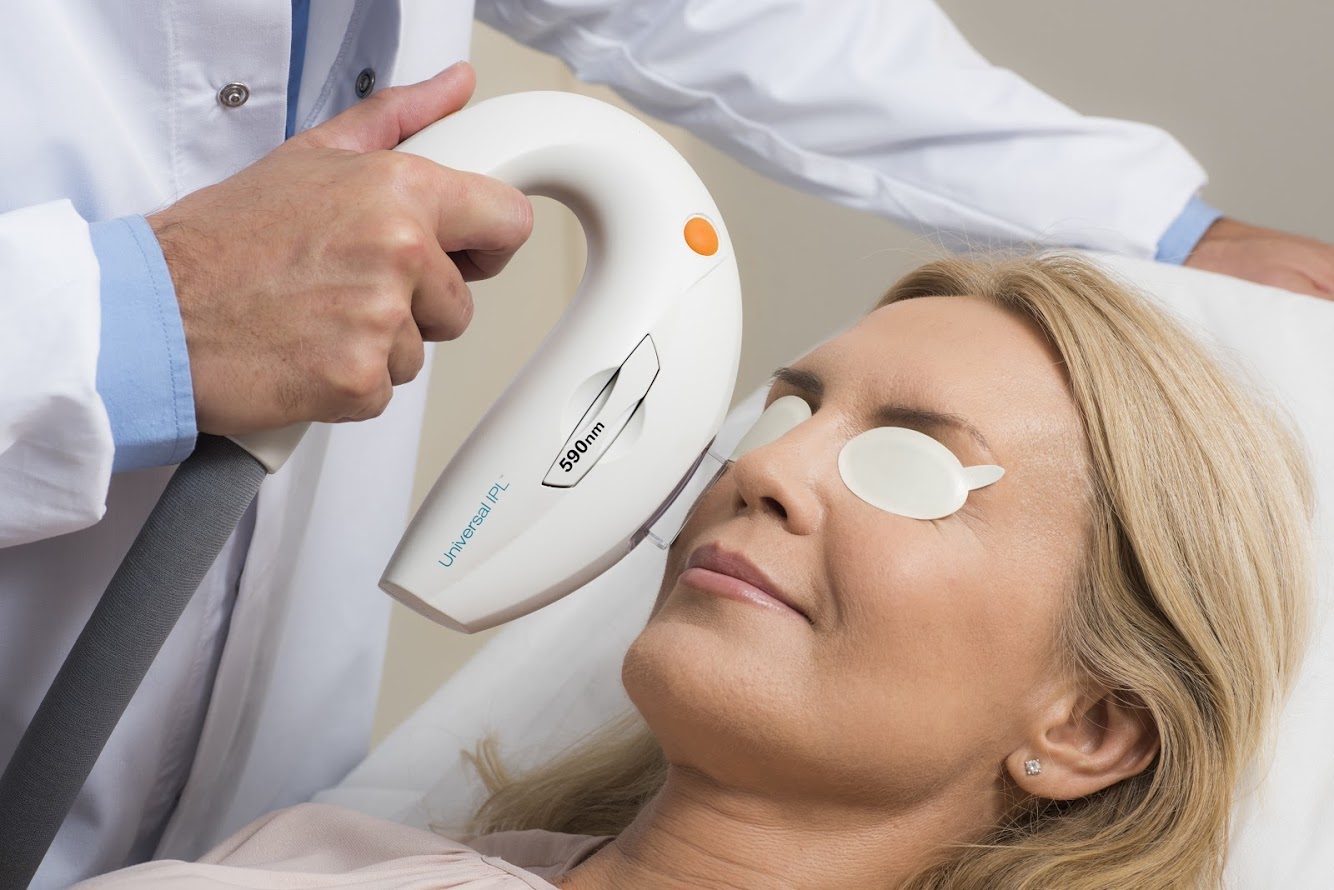
Dry Eye Treatment in Lucknow
Find Lasting Relief from Dry, Irritated, and Burning Eyes
Do your eyes often feel dry, itchy, watery, or tired after reading, working on a computer, or spending time in air-conditioned environments? These symptoms may indicate Dry Eye Syndrome, a common eye condition that can affect people of all ages.
At Dr. Pooja Kanodia Eye Specialist & Surgeon, we offer comprehensive Dry Eye Treatment in Lucknow using advanced diagnostic technology and personalized treatment plans. Our goal is to identify the underlying cause of dry eyes, relieve discomfort, improve tear quality, and protect the surface of your eyes for long-term vision and comfort.
With over 20 years of experience, Dr. Pooja Kanodia provides expert care for patients experiencing occasional or chronic dry eye symptoms.
What is Dry Eye Syndrome?
Dry Eye Syndrome occurs when your eyes either do not produce enough tears or the tears evaporate too quickly. Tears are essential for keeping the eyes lubricated, washing away dust and debris, and maintaining clear vision.
When the tear film becomes unstable, it can lead to irritation, inflammation, and damage to the eye surface if left untreated.
Common Symptoms of Dry Eyes
Dry Eye Syndrome may cause:
- Dryness or gritty sensation
- Burning or stinging eyes
- Itchy eyes
- Redness
- Watery eyes
- Blurred vision
- Sensitivity to light
- Eye fatigue
- Difficulty wearing contact lenses
- Mucus around the eyes
- Discomfort while using digital devices
Symptoms may worsen after prolonged screen use, reading, driving, or staying in air-conditioned rooms.
Causes of Dry Eyes
Dry eyes can develop due to several factors, including:
- Aging
- Excessive screen time
- Meibomian Gland Dysfunction (MGD)
- Long-term contact lens use
- Air conditioning or dry climates
- Hormonal changes
- Certain medications
- Autoimmune disorders
- Previous eye surgery
- Vitamin A deficiency
Identifying the underlying cause is essential for effective treatment.
Who is at Risk?
You may be at higher risk if you:
- Are over 40 years of age
- Spend long hours on computers or mobile devices
- Wear contact lenses regularly
- Have diabetes or autoimmune diseases
- Work in air-conditioned environments
- Take medications that reduce tear production
- Have a history of eye surgery
Diagnosis of Dry Eye Syndrome
Our comprehensive dry eye evaluation may include:
- Detailed Eye Examination
- Tear Film Assessment
- Tear Break-Up Time (TBUT)
- Schirmer Tear Test
- Meibomian Gland Evaluation
- Slit Lamp Examination
- Corneal Surface Assessment
These tests help determine the severity and cause of your dry eye condition.
Dry Eye Treatment Options
Treatment is customized according to the underlying cause and severity of symptoms.
Artificial Tears
Lubricating eye drops help restore moisture and provide immediate relief.
Prescription Medications
Anti-inflammatory eye drops may be recommended for chronic dry eye disease.
Eyelid Hygiene
Cleaning the eyelids and maintaining healthy meibomian glands improves tear quality.
Warm Compress Therapy
Warm compresses help unblock oil glands and reduce tear evaporation.
Lifestyle Modifications
Simple changes such as reducing screen time, increasing blinking, staying hydrated, and using a humidifier can significantly improve symptoms.
Nutritional Support
In some cases, dietary modifications and omega-3 fatty acids may support tear film health.
Benefits of Early Dry Eye Treatment
Timely treatment can:
- Reduce eye irritation
- Improve tear stability
- Relieve burning and redness
- Improve visual comfort
- Protect the cornea
- Reduce dependence on frequent eye drops
- Improve quality of life
Why Choose Dr. Pooja Kanodia for Dry Eye Treatment?
Experienced Eye Specialist
Over 20 years of expertise in diagnosing and treating dry eye conditions.
Advanced Diagnostic Technology
Modern equipment allows accurate diagnosis and personalized treatment.
Customized Care
Every patient receives an individualized treatment plan based on the underlying cause of dry eyes.
Comprehensive Eye Care
Complete diagnosis, treatment, and long-term management are available under one roof.
Patient-Centered Approach
We focus on long-term symptom relief, patient education, and preventive eye care.
Why Early Treatment Matters
Many people ignore dry eye symptoms, assuming they are temporary. However, untreated dry eyes can lead to chronic inflammation, corneal damage, increased risk of eye infections, and persistent discomfort.
Early diagnosis and proper treatment help maintain healthy eyes, improve vision, and prevent complications.
Book Your Dry Eye Evaluation Today
If you experience burning, itching, redness, watering, or persistent eye discomfort, a comprehensive dry eye evaluation can help identify the cause and provide effective treatment.
At Dr. Pooja Kanodia Eye Specialist & Surgeon, we are committed to helping you achieve healthier, more comfortable eyes with advanced dry eye care and personalized treatment plans.
Frequently Asked Questions
What is the main cause of dry eyes?
Dry eyes are commonly caused by reduced tear production, excessive tear evaporation, aging, prolonged screen use, meibomian gland dysfunction, or certain medical conditions.
Can dry eye syndrome be cured?
While chronic dry eye may not always be completely cured, it can usually be managed effectively with appropriate treatment and lifestyle changes.
Does screen time cause dry eyes?
Yes. Looking at digital screens for long periods reduces blinking, which increases tear evaporation and can worsen dry eye symptoms.
Is watery eye a sign of dry eye?
Yes. Excessive watering can occur as a reflex response when the eyes become dry and irritated.
Can dry eyes affect vision?
Yes. Dry eyes may cause temporary blurred vision, eye fatigue, and discomfort, especially during reading or computer work.
When should I see an eye specialist for dry eyes?
You should consult an eye specialist if symptoms persist for several days, become severe, or interfere with your daily activities despite using over-the-counter lubricating drops.
Need help choosing a treatment?
Talk to our team and get guidance on the right next step for your eye care.